Black Friday Offer live!

Days
Hours
Minutes
Seconds

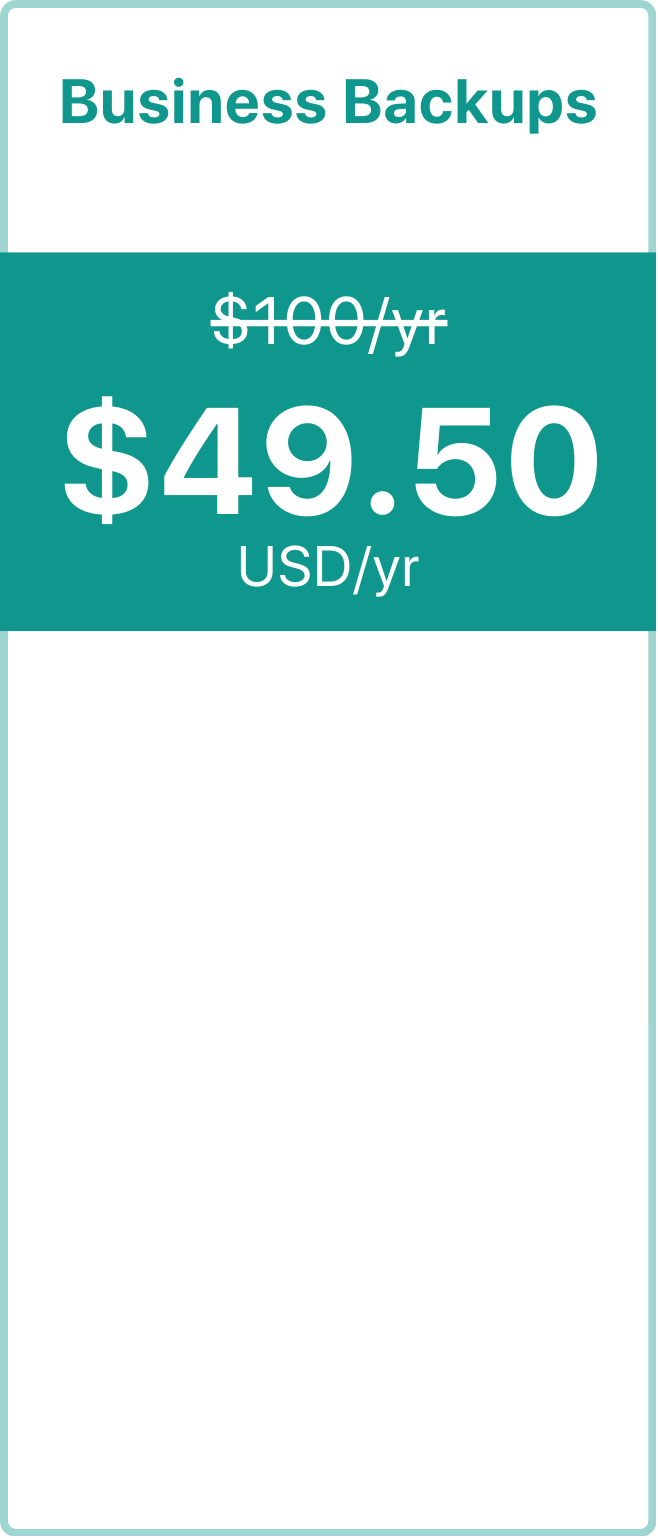
The Fastest & Smartest Backups - now Flat 50% Off

You can back up even 100GB sites without failing, Restore without a single pixel missing and do all of this in minutes, not hours. This is the only “set and forget” backup solution.

Click to play video

Only for new users

Image Image Image Image Image

Trusted by over 400,000+ Websites across 12 countries

You’ll be shocked how often Backups Fail.

Your website feels safe with your host or free plugin taking daily backups.
And you would be right, if this was 2009

Just open any support forum. Web hosts and Free Plugins are notorious for silently failing backups. Why? Because they still follow the same outdated processes from 15 years ago!

Today’s websites are 120% heavier, filled with builders, products, and videos. But your backups, are still using 15 year old processes.

These processes were great, but were not meant to deal with sites that easily get bigger than a flash drive from 2009.

Resulting in a lot of failed backups
But that's still not the worst part.

Yup, we even tested it!

The worst part of a failed backup, other than the lack of one, is that these plugins don't even inform you if a backup fails.

You can go on for months without realising that you’re relying on a
failed or a corrupt backup.

Updraft plus backups 4KB out of a 4GB site and
calls it a successful backup...

And your user experience is taking the hit

Even if the backups don't fail (luckily), your website is definitely slowing down.

This is because these backups are saved on the same server as your site, where both compete for resources and your site always loses.

Here’s a Bluehost server showing huge spike during backups.

We tested it on a $6k hosting platform, Pantheon. And ran a backup for a 100GB site.

  • UpdraftPlus – failed after 30 minutes
  • BlogVault – Backed up in 70 minutes

We spent $6,600 just to test this..

This happens because your website and your backup plugin are in a constant tug of war, fighting for server bandwidth.

This struggle for server resources causes timeouts and incomplete backups,
even if your site is around 400-500MB.

But, let's not be so pessimistic.
Let's say you do have a good backup...

To test this, we tried restoring a 1GB backup on cPanel. Which, it also failed at...

And even when it worked, it took plugins like Jetpack
36 hours to restore a 1.2GB site

source

Our Backups never fail,

Your website feels safe with your host or free plugin taking daily backups.
And you would be right, if this was 2009

even for 100GB sites,
because we use modern methods
like Incremental Backups.

Today’s websites are 120% heavier, filled with builders, products, and videos. But your backups, are still using 15 year old processes.

These processes were great, but were not meant to deal with sites that easily get bigger than a flash drive from 2009.

Resulting in a lot of failed backups
But that's still not the worst part.

Yup, we even tested it!

The worst part of a failed backup, other than the lack of one, is that these plugins don't even inform you if a backup fails.

You can go on for months without realising that you’re relying on a
failed or a corrupt backup.

Updraft plus backups 4KB out of a 4GB site and
calls it a successful backup...

And your user experience is taking the hit

Even if the backups don't fail (luckily), your website is definitely slowing down.

This is because these backups are saved on the same server as your site, where both compete for resources and your site always loses.

Here’s a Bluehost server showing huge spike during backups.

We tested it on a $6k hosting platform, Pantheon. And ran a backup for a 100GB site.

  • UpdraftPlus – failed after 30 minutes
  • BlogVault – Backed up in 70 minutes

We spent $6,600 just to test this..

This happens because your website and your backup plugin are in a constant tug of war, fighting for server bandwidth.

This struggle for server resources causes timeouts and incomplete backups,
even if your site is around 400-500MB.

But, let's not be so pessimistic.
Let's say you do have a good backup...

To test this, we tried restoring a 1GB backup on cPanel. Which, it also failed at...

And even when it worked, it took plugins like Jetpack
36 hours to restore a 1.2GB site

source

Your website feels safe with your host or free plugin taking daily backups.
And you would be right, if this was 2009

Today’s websites are 120% heavier, filled with builders, products, and videos. But your backups, are still using 15 year old processes.

These processes were great, but were not meant to deal with sites that easily get bigger than a flash drive from 2009.

Resulting in a lot of failed backups
But that's still not the worst part.

Yup, we even tested it!

The worst part of a failed backup, other than the lack of one, is that these plugins don't even inform you if a backup fails.

You can go on for months without realising that you’re relying on a
failed or a corrupt backup.

Updraft plus backups 4KB out of a 4GB site and
calls it a successful backup...

And your user experience is taking the hit

Even if the backups don't fail (luckily), your website is definitely slowing down.

This is because these backups are saved on the same server as your site, where both compete for resources and your site always loses.

Here’s a Bluehost server showing huge spike during backups.

We tested it on a $6k hosting platform, Pantheon. And ran a backup for a 100GB site.

  • UpdraftPlus – failed after 30 minutes
  • BlogVault – Backed up in 70 minutes

We spent $6,600 just to test this..

This happens because your website and your backup plugin are in a constant tug of war, fighting for server bandwidth.

This struggle for server resources causes timeouts and incomplete backups,
even if your site is around 400-500MB.

But, let's not be so pessimistic.
Let's say you do have a good backup...

To test this, we tried restoring a 1GB backup on cPanel. Which, it also failed at...

And even when it worked, it took plugins like Jetpack
36 hours to restore a 1.2GB site

source

Click to play video

"Using BlogVault is an absolute breeze!
As a dedicated fan, I wholeheartedly give
it a 5-star rating. It guarantees
unparalleled peace of mind!”

Adam Silver

Agency Owner

Your website feels safe with your host or free plugin taking daily backups.
And you would be right, if this was 2009

Today’s websites are 120% heavier, filled with builders, products, and videos. But your backups, are still using 15 year old processes.

These processes were great, but were not meant to deal with sites that easily get bigger than a flash drive from 2009.

Resulting in a lot of failed backups
But that's still not the worst part.

Yup, we even tested it!

The worst part of a failed backup, other than the lack of one, is that these plugins don't even inform you if a backup fails.

You can go on for months without realising that you’re relying on a
failed or a corrupt backup.

Updraft plus backups 4KB out of a 4GB site and
calls it a successful backup...

And your user experience is taking the hit

Even if the backups don't fail (luckily), your website is definitely slowing down.

This is because these backups are saved on the same server as your site, where both compete for resources and your site always loses.

Here’s a Bluehost server showing huge spike during backups.

We tested it on a $6k hosting platform, Pantheon. And ran a backup for a 100GB site.

  • UpdraftPlus – failed after 30 minutes
  • BlogVault – Backed up in 70 minutes

We spent $6,600 just to test this..

This happens because your website and your backup plugin are in a constant tug of war, fighting for server bandwidth.

This struggle for server resources causes timeouts and incomplete backups,
even if your site is around 400-500MB.

But, let's not be so pessimistic.
Let's say you do have a good backup...

To test this, we tried restoring a 1GB backup on cPanel. Which, it also failed at...

And even when it worked, it took plugins like Jetpack
36 hours to restore a 1.2GB site

source

Save Big on
Premium Backups

This is our only sale of the year!

Your website feels safe with your host or free plugin taking daily backups.
And you would be right, if this was 2009

Today’s websites are 120% heavier, filled with builders, products, and videos. But your backups, are still using 15 year old processes.

These processes were great, but were not meant to deal with sites that easily get bigger than a flash drive from 2009.

Resulting in a lot of failed backups
But that's still not the worst part.

Yup, we even tested it!

The worst part of a failed backup, other than the lack of one, is that these plugins don't even inform you if a backup fails.

You can go on for months without realising that you’re relying on a
failed or a corrupt backup.

Updraft plus backups 4KB out of a 4GB site and
calls it a successful backup...

And your user experience is taking the hit

Even if the backups don't fail (luckily), your website is definitely slowing down.

This is because these backups are saved on the same server as your site, where both compete for resources and your site always loses.

Here’s a Bluehost server showing huge spike during backups.

We tested it on a $6k hosting platform, Pantheon. And ran a backup for a 100GB site.

  • UpdraftPlus – failed after 30 minutes
  • BlogVault – Backed up in 70 minutes

We spent $6,600 just to test this..

This happens because your website and your backup plugin are in a constant tug of war, fighting for server bandwidth.

This struggle for server resources causes timeouts and incomplete backups,
even if your site is around 400-500MB.

But, let's not be so pessimistic.
Let's say you do have a good backup...

To test this, we tried restoring a 1GB backup on cPanel. Which, it also failed at...

And even when it worked, it took plugins like Jetpack
36 hours to restore a 1.2GB site

source

Got any doubts?
Our Experts reply ASAP

Just email us on support@blogvault.net